
Last updated September 20, 2026
Full 25-point door and opener safety check with every visit - springs, cables, rollers, tracks, and your LiftMaster or Chamberlain opener included
You get a price before we start. It does not change when the truck arrives.
Full-view glass
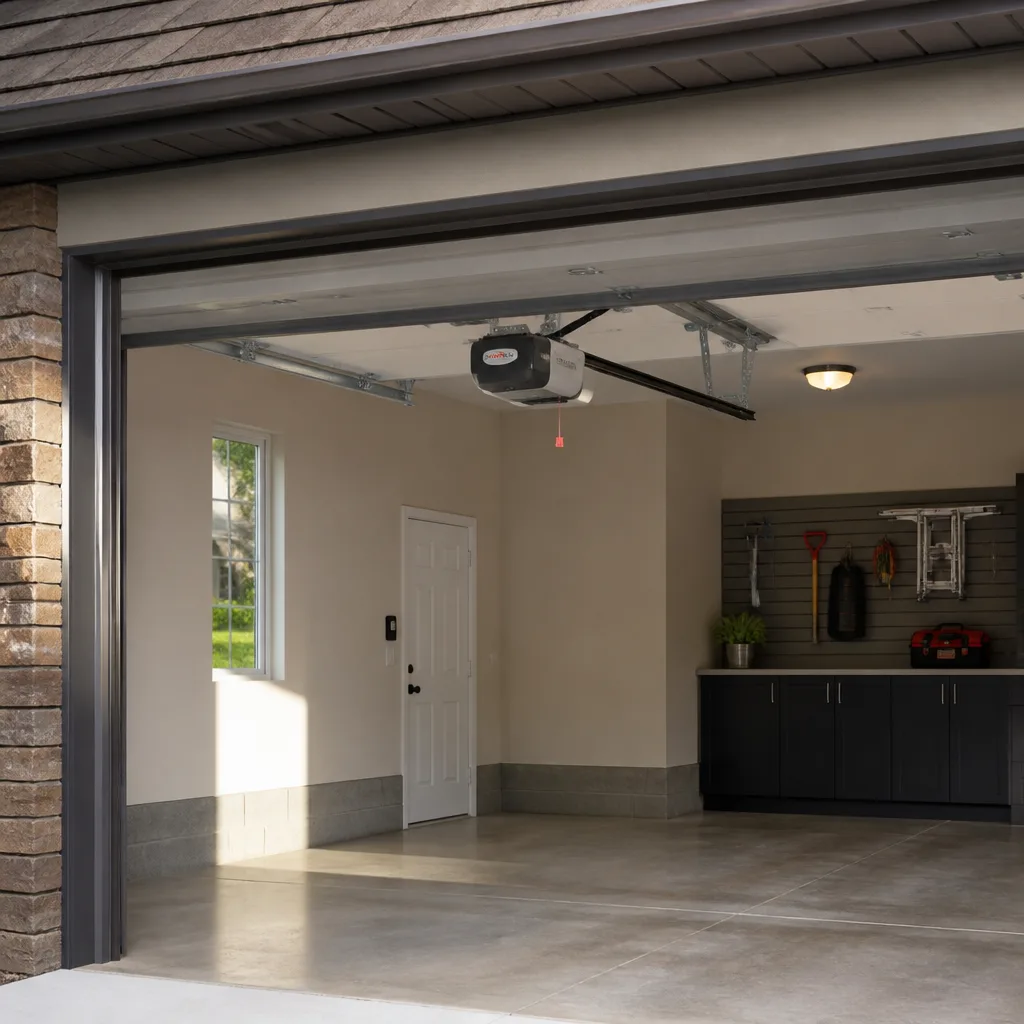
Chamberlain openers
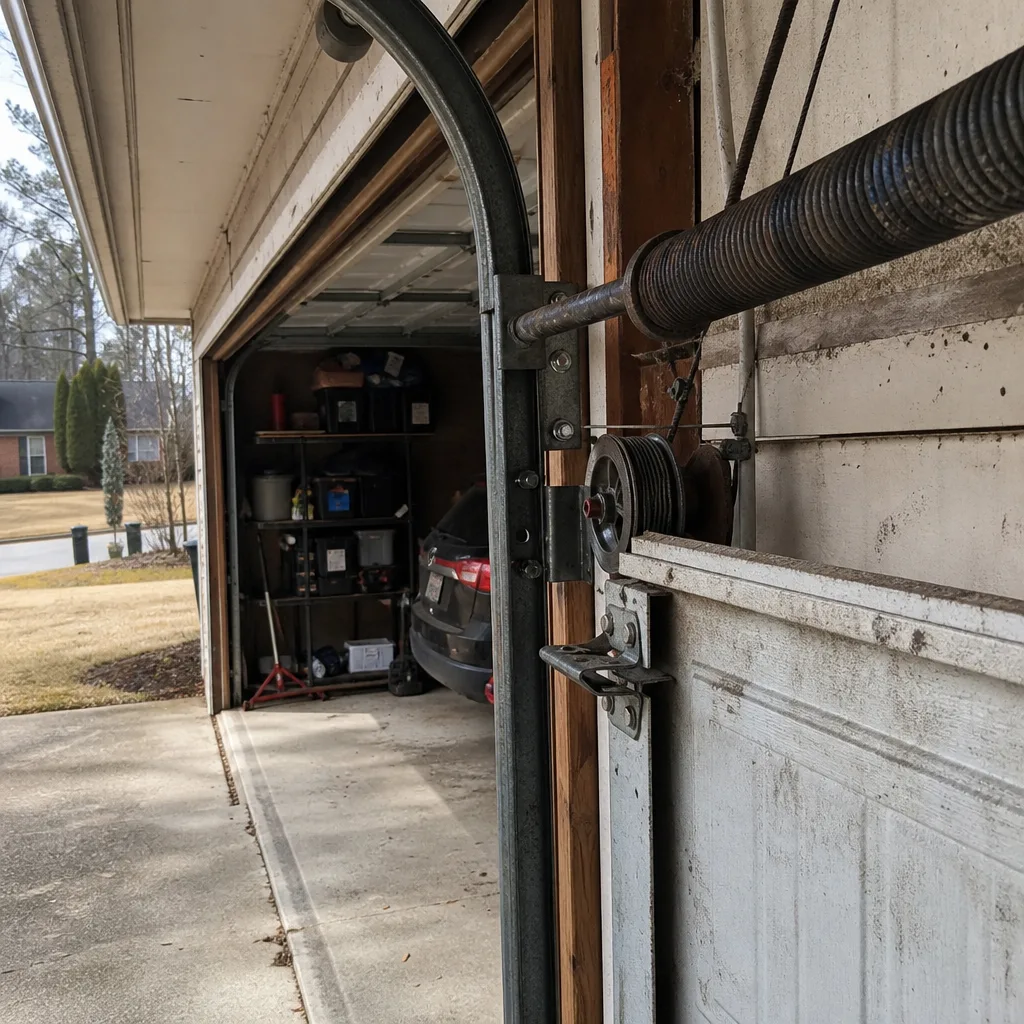 Before
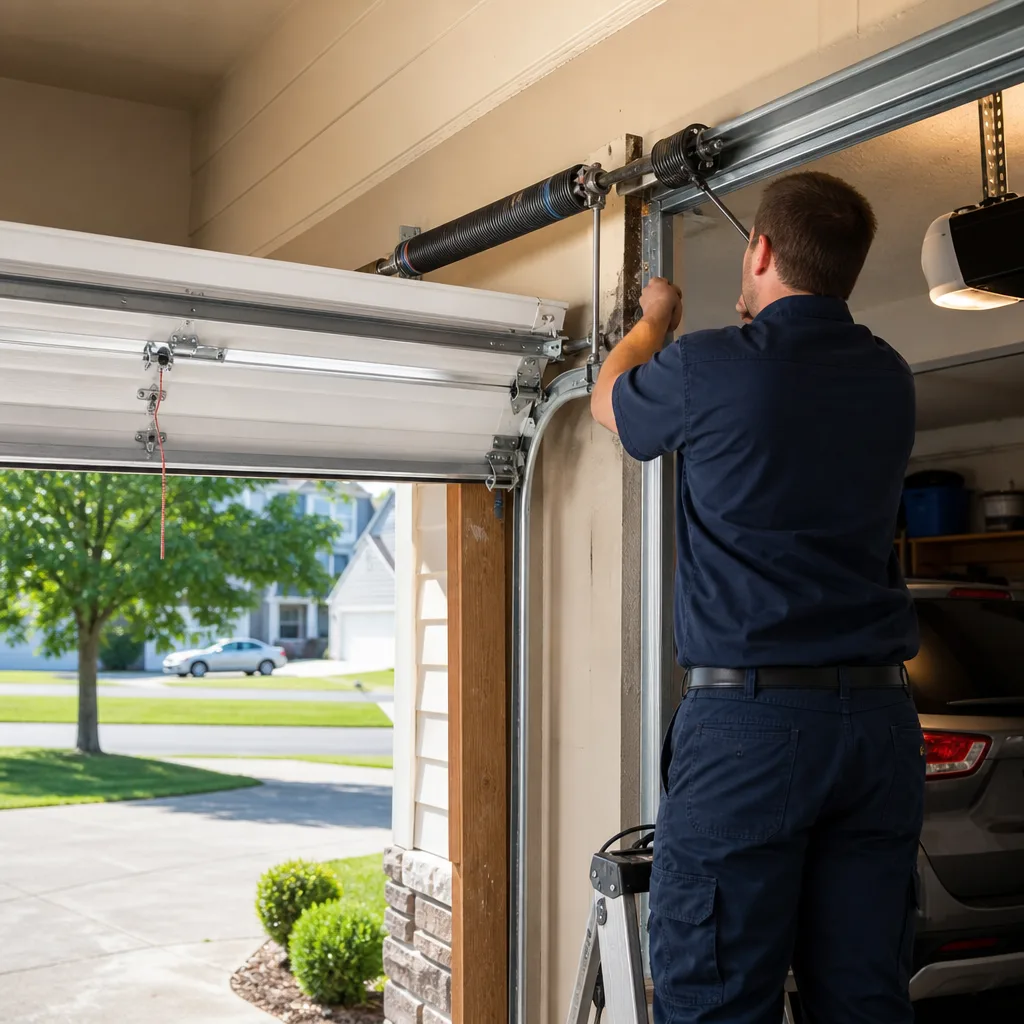 After
After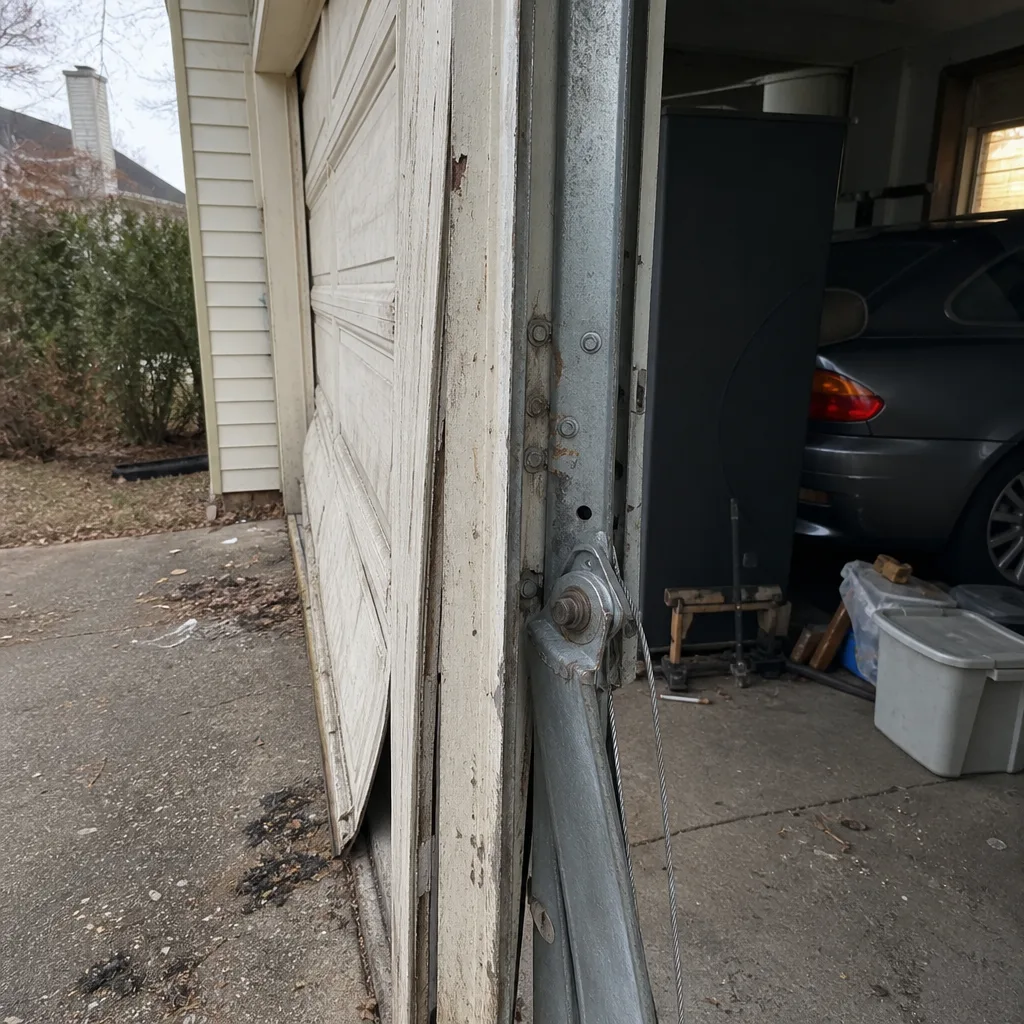 Before
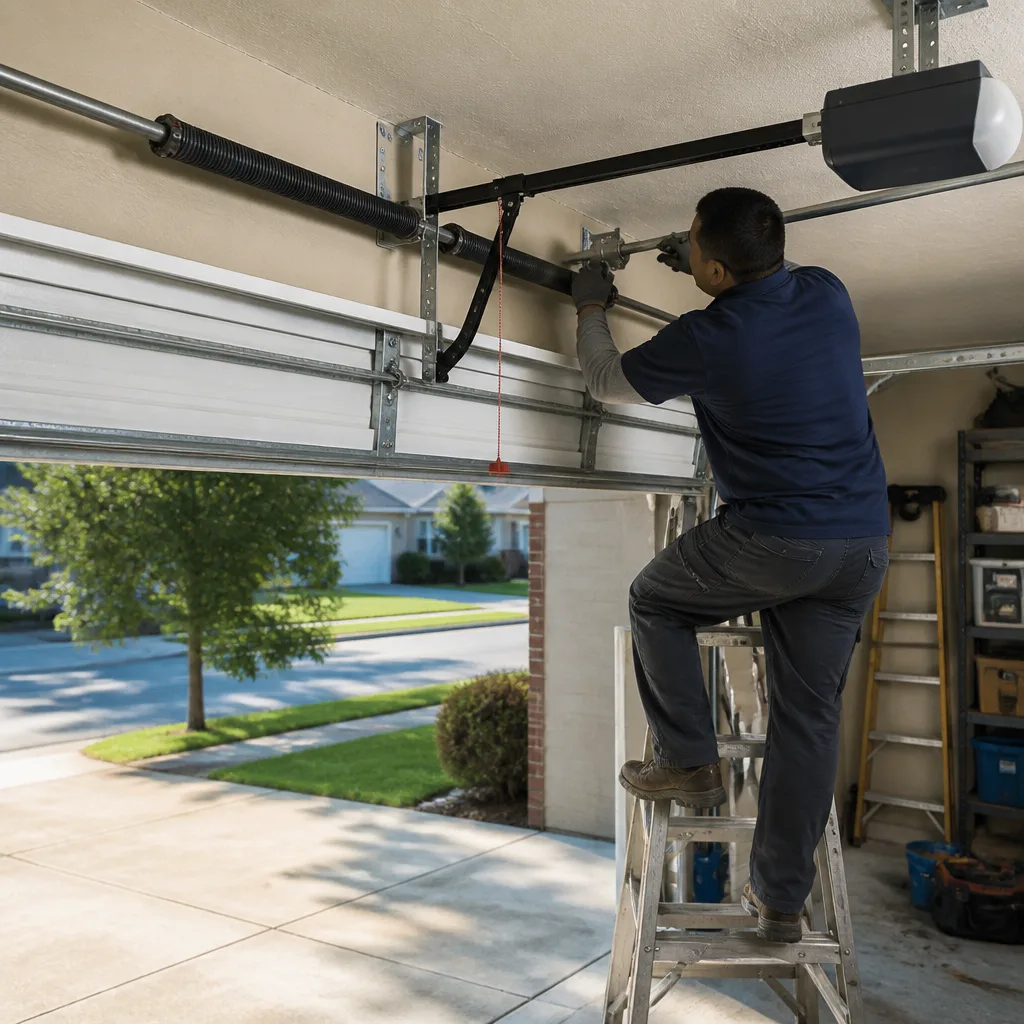 After
After Before
 After
AfterGarage Door Permits, Codes & Inspections in GA: What You Need to Know
A straight door-for-door replacement in the same opening typically doesn’t require a Gwinnett County permit. Widen the opening by four inches and you’re in structural work that absolutely does. Most contractors won’t tell you which side of that line you’re on. This guide covers the exact permit thresholds in Georgia, the wind load codes that affect Buford specifically, what happens when unpermitted work surfaces during a home sale, and how to pull a permit yourself when it’s allowed. By the end, you’ll know more about the permit line than half the contractors who quote garage door work in Buford.
Quick Answer
In Buford and throughout Georgia, a direct garage door replacement in an existing, unmodified opening typically does not require a building permit. Any work that alters the opening size, adds a new opening, changes structural headers, or involves framing modifications does require a permit from Gwinnett County. The deciding factor is whether the work qualifies as “structural alteration” under the Georgia State Amendments to the International Building Code (IBC).
Table of Contents
- Gwinnett County Permit Thresholds: What Triggers a Permit
- Wind Load Codes and Why They Matter in Buford
- Unpermitted Work and Home Sales: What Actually Happens
- HOA Approval vs. County Permit: Two Separate Processes
- Pulling a Permit Yourself: When It’s Legal in Georgia
- What a Garage Door Inspection Actually Checks
- Common Mistakes to Avoid
- When to Call a Professional
- Frequently Asked Questions
- The Bottom Line
 Before
 After
AfterGwinnett County Permit Thresholds: What Triggers a Permit
Gwinnett County Building and Construction separates garage door work into three categories: replacement, alteration, and new installation. The distinction matters because each category sits on a different side of the permit line. Most confusion comes from contractors and homeowners treating “alteration” as if it were “replacement.”
A replacement is a door-for-door swap in an existing opening. The opening’s width, height, and structural header stay untouched. You remove the old door, install the new one in the same footprint, and the framing never changes. Under Gwinnett County’s current permit requirements, this does not require a building permit. The work is considered maintenance of an existing structure rather than modification of it.
An alteration changes the opening itself. Widening from a single-car door to a double-car door, raising the header to accommodate a taller door, or cutting a new opening where none existed all qualify as alterations. These require a building permit because the structural header, which carries the load of the wall above the door, gets modified or replaced. In Buford, where many homes in neighborhoods like Bogan Park and the Buford City Schools district were built with single-car garage openings, widening the opening is a common renovation request. It is also the most common source of unpermitted work we see when we’re called in for Garage Door Installation in Buford.
A new installation means adding a garage door where no garage or carport opening existed before. This always requires a permit, along with stamped engineering drawings for the header and, in many cases, a foundation check. Buford sits in a region where clay-heavy soils shift seasonally, so the county often wants the header spec confirmed by an engineer before approving a new opening.
Here is the practical breakdown of what triggers a permit in Gwinnett County:
- No permit needed: Door-for-door replacement in the same opening; replacing panels, tracks, springs, or openers; cosmetic changes like trim or paint.
- Permit required: Changing the opening width or height; adding a second or third bay; converting a carport to an enclosed garage; removing or relocating any structural framing member.
- Permit plus engineering: Any alteration to a load-bearing header; new openings in load-bearing walls; raising the header on a two-story home where the garage sits below living space.
If you’re not sure which category your project falls into, the county’s Building and Construction office will tell you over the phone. But here’s the pattern we’ve observed: when a contractor says “you don’t need a permit for that” and the job involves cutting framing, get a second opinion. The contractor is not the one who has to disclose unpermitted work when you sell the house. You are.
Wind Load Codes and Why They Matter in Buford
Buford sits in a wind exposure category that affects garage door specifications more than most homeowners realize. The International Residential Code (IRC) and the Georgia State Amendments require garage doors to resist specific wind pressures based on the risk zone. Buford and much of Gwinnett County fall into a zone where the design wind speed is 115 mph. That number drives the minimum wind load rating a garage door must carry.
The relevant code section is IRC R609, which covers garage door wind loads. A door sold for a coastal Florida market carries a higher rating than what Buford requires, but that does not mean any standard door passes here. Doors from manufacturers like Clopay, Amarr, and Wayne Dalton are available in multiple wind load configurations. The door sold at a big-box store in Buford is typically specked for the local wind zone, but that speck gets lost when homeowners order doors online from out-of-state retailers, which is something we run into more often each year.
The practical failure mode is not the door tearing out of the wall in a storm. It is door deflection. A door with an insufficient wind load rating will bow inward under negative pressure during a severe thunderstorm or a tornado-warned system. That bowing pulls the rollers out of the tracks, which drops the door or jams it. In Buford, we see this after the strong spring squall lines that move through the region in March and April. A correctly specked door from Genie, Clopay, or Amarr holds its shape; an underspecked door does not.
Here is what Buford homeowners should verify when purchasing a new door:
- Wind load rating: The door should be labeled for the applicable design wind speed. In Buford, that means 115 mph unless the home sits in a particularly exposed location.
- Reinforcement option: Most manufacturers offer a strut or reinforcement package for wind zones. This is a small add-on cost that stiffens the door sections.
- Installer familiarity: The person installing the door should know what wind load means and be able to show you the door’s ratings label. If they look confused when you ask, that’s a signal.
- County compliance: If the job requires a permit, the inspector will check the door’s wind load documentation as part of the inspection. A door without the correct labeling fails inspection.
One more thing: wind load requirements apply to doors, not openers. The opener is not structural. But the tracks and brackets attaching the door to the framing are part of the wind load system. A cheap track set on a wind-rated door defeats the purpose. When we quote Garage Door Repair in Buford, we document what’s already on the wall so homeowners see whether the existing hardware matches the door spec or was installed to a lower standard.
Unpermitted Work and Home Sales: What Actually Happens
Unpermitted garage door work surfaces during home sales with enough regularity now that real estate attorneys in Gwinnett County have standard clauses for it. Here is the sequence we see most often.
A homeowner widened a garage door opening in 2019. They hired a contractor who said a permit was unnecessary. The work was fine structurally, or maybe it wasn’t, but either way no permit was pulled and no inspection happened. The homeowner lists the house in 2026. The buyer’s home inspector checks the garage door opening against county records. The records show the original opening dimensions. The inspector flags it. The closing stalls.
At that point, the seller bears the cost to remediate. That typically means hiring a licensed contractor to file for the permit retroactively, which requires exposing the header so the county can inspect it, then closing it back up. If the header was never properly engineered, the remediation can involve replacing it, which means opening the wall entirely. The cost lands between $1,500 and $6,000 in Buford depending on the scope, plus whatever the opening-up and closing-up does to drywall and paint. And the seller pays it on the buyer’s timeline, not their own, because the closing is already scheduled.
There’s a second pattern too. The unpermitted work is never flagged during inspection. The sale closes. Two years later, a storm rips the door out of its opening. The insurance adjuster checks county permit records, finds no permit, and denies the structural portion of the claim because the modification was never code-inspected. The homeowner learns then that the door was not wind-rated for Buford’s zone. That is a bad day.
The Georgia Association of Realtors made this easier to spot by standardizing seller disclosure forms to ask directly about unpermitted modifications. Sellers who answer honestly and then have to remediate under time pressure pay more than sellers who pulled the permit upfront. The permit fee in Gwinnett County is typically under $200 for the permit itself, though engineering drawings add several hundred dollars. The difference between doing it right and fixing it wrong is usually ten-to-one.
If you’ve inherited a house with unpermitted garage door work and you’re not sure of the status, the first step is a permit record search through Gwinnett County. The second step is having a licensed contractor look at the opening to determine whether the work would pass inspection today. We’ve done enough of these calls in Buford to know the most common outcome: the work passes structurally, the retroactive permit takes three to five weeks, and the seller wishes someone had told them the permit line before the first cut was made.
HOA Approval vs. County Permit: Two Separate Processes
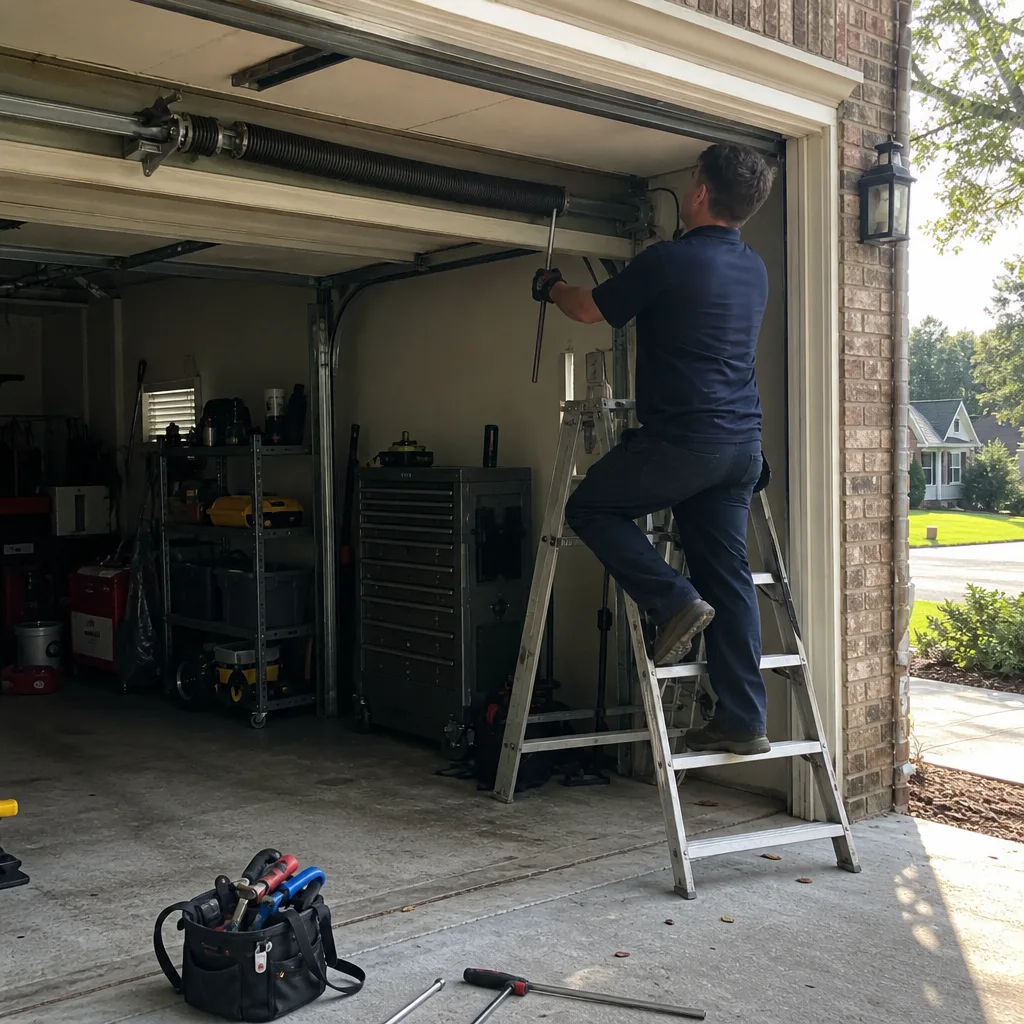
Buford has a significant number of HOA-governed communities. HOA approval and county permitting are entirely separate processes with separate approval chains. Skipping either one creates a different category of problem, and the two are not interchangeable.
The county cares about structural safety. Does the header meet code? Does the door meet wind load requirements? Will the work hold up? The county’s approval chain runs through Gwinnett County Building and Construction, and it ends when the inspector signs off on the final.
The HOA cares about appearance and consistency. Will the new door color match the community’s palette? Is the door style consistent with the neighborhood? Did the homeowner submit the architectural modification request before the work started? The HOA’s approval chain runs through the architectural review committee, and it ends with a written approval letter, not an inspection.
Here is what happens when each one is skipped:
- Skipping the county permit: Unpermitted structural work. The problem surfaces at resale or during an insurance claim, as covered above. The HOA may not notice or care, but the county record gap remains.
- Skipping the HOA approval: You pull a county permit, do the work legally, and pass inspection. Then the HOA sends a violation letter demanding that the door be changed to match community standards, at your expense. Some HOAs in Buford have specific approved door manufacturers and colors. Installing a Clopay door when the community standard is Amarr can trigger a remediation order even though the door itself is fine.
- Skipping both: You now have a county compliance problem and an HOA enforcement problem at the same time, and fixing one may require redoing part of the other.
The order of operations is straightforward: check HOA covenants first, file the architectural request, get written approval, then file the county permit if the scope requires one. The HOA approval does not substitute for a permit, and a permit does not override an HOA covenant. They are parallel tracks. Homeowners in Buford communities with strict covenants sometimes learn this the hard way because a contractor told them the county permit “covers everything.” It does not.
One more note on HOA timing: architectural review committees in Buford-area communities typically meet monthly or twice monthly. If you’re planning a garage door alteration that requires HOA approval, file the request before you need the work done. The approval can take 30 days, and the county permit can add another two to three weeks on top of that. Plan the timeline accordingly. This is one reason we ask about HOA status during Garage Door Installation in Buford quotes. The answer changes the start date.
Pulling a Permit Yourself: When It’s Legal in Georgia
Georgia law allows homeowners to pull building permits for work on their own primary residence without holding a contractor’s license, in most jurisdictions including Gwinnett County. The state’s contractor licensing statute exempts “owners of property who are building or improving their own primary residence” from the requirement to hold a residential or general contractor license. That exemption transfers to the permitting counter.
What that means in practice: a homeowner in Buford who wants to widen a garage door opening can file the permit application themselves, pay the fee, and act as the permit holder. The county will not require a licensed contractor’s name on the permit for homeowner-permitted work on a primary residence. This is true for one- and two-family dwellings. It does not apply to rental property, investment property, or a home owned by an LLC.
But here is the constraint that gets overlooked: pulling the permit as a homeowner makes you responsible for meeting code, full stop. You are the one the inspector calls when something fails. You are the one who must produce the engineering calculations. You are the one held accountable if the work fails and someone gets hurt. For a door-for-door replacement, that accountability is minimal because no permit is required anyway. For an alteration involving a structural header, that accountability is substantial.
Here are the situations where each path applies:
- Door-for-door replacement, unmodified opening: No permit required. No permit-holder question to answer. Hire whoever you want, or do it yourself if you have the skill and the right spring-winding tools.
- Alteration, homeowner-permitted: Legal for a primary residence. You file, you schedule inspections, you are responsible for code compliance. A contractor doing the work under your permit is working as your subcontractor, which means their insurance may not cover the job the same way it would under their own permit.
- Alteration, contractor-permitted: The contractor files the permit under their license. The county holds the contractor responsible for inspection outcomes. This is the path that keeps contractor insurance and liability intact.
- New construction or multi-family: Homeowner permits typically do not apply. This requires a licensed contractor.
The homeowner-permit route saves the contractor’s markup on permit handling, which is usually modest. But it shifts liability. For most Buford homeowners, the sensible line is this: if the work touches the header, let a licensed contractor pull the permit under their own license. If the work does not touch the header, no permit is needed anyway, so the question answers itself.
What a Garage Door Inspection Actually Checks
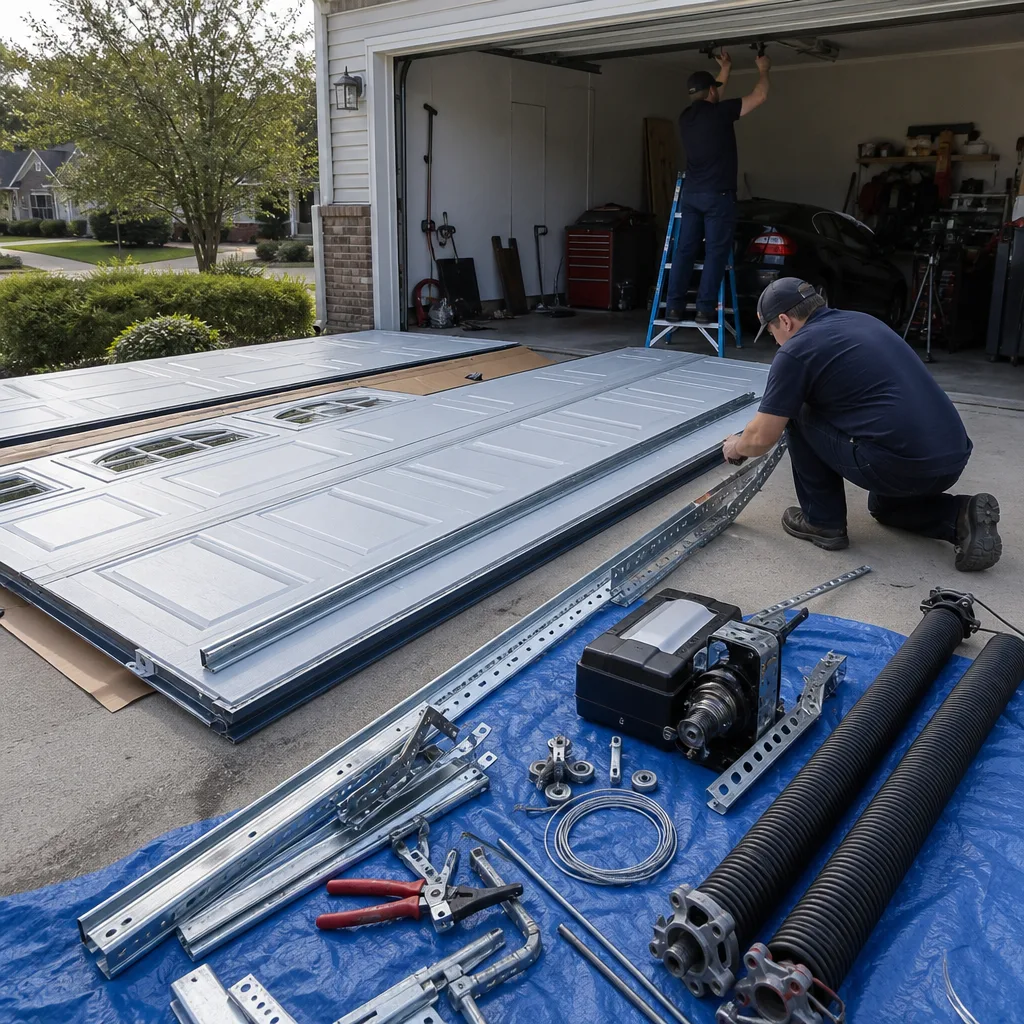
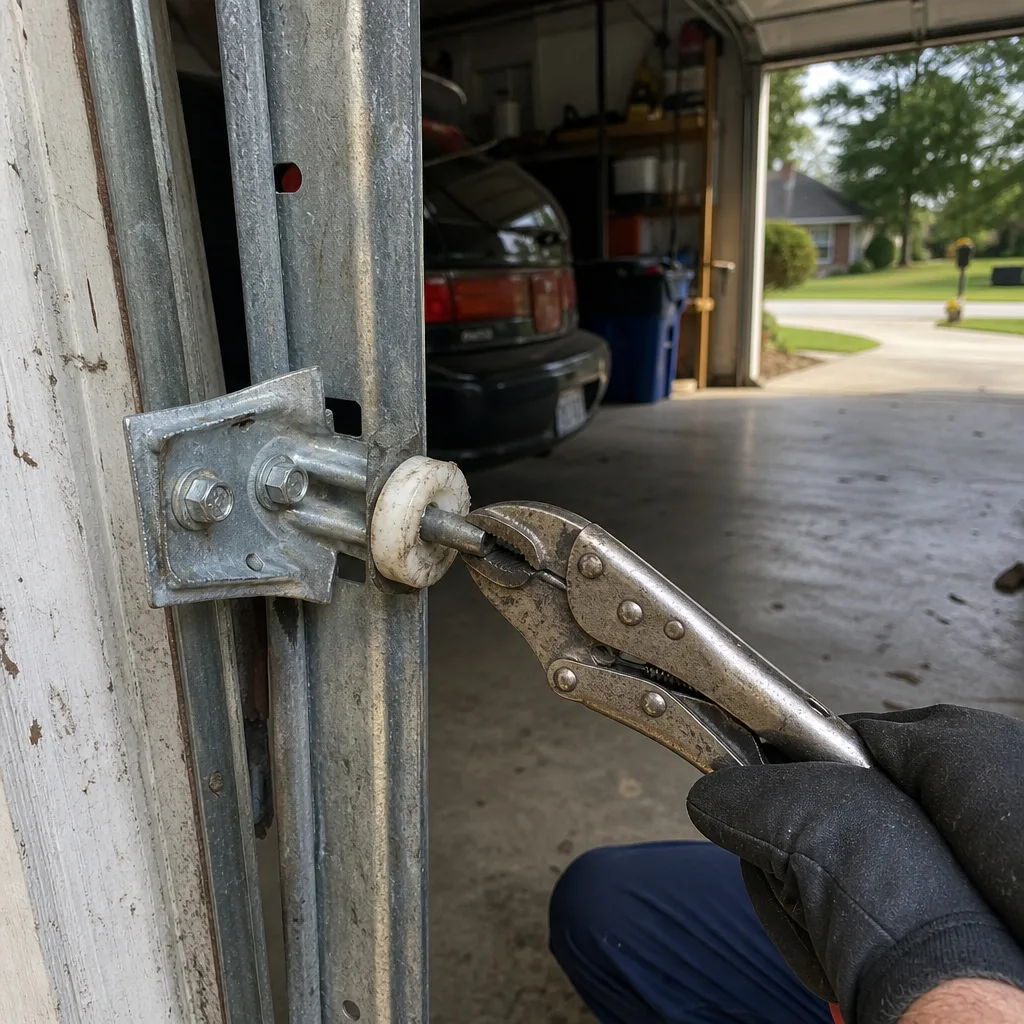
When a garage door project in Buford does require a Gwinnett County permit, the inspection process follows a defined sequence. Understanding what the inspector checks removes the mystery and lets you prepare. Most residential garage door inspections in the county are done in one visit unless the scope includes framing or electrical work.
The inspector’s checklist for a permitted garage door installation or alteration typically includes:
- Structural header: Is the header sized and installed to match the approved plans? For an altered opening, the inspector verifies the new header against the engineering detail. This is the most common point of failure on homeowner-pulled permits.
- Wind load documentation: Does the installed door carry a visible rating label matching the wind zone for Buford? The inspector looks for the manufacturer’s label on the door section or the paperwork.
- Attachment hardware: Are the track brackets, jamb brackets, and anchor points installed per the manufacturer’s specification? This is not a visual check; the inspector measures or verifies fastener type and spacing.
- Safety reverse system: If an opener is installed, the inspector checks the photoelectric sensors and the auto-reverse force setting. This applies to permitted new installations that include openers.
- Electrical connections: If a new opener circuit was run, the electrical work must be to code. This is a separate inspection item within the same permit when the scope includes new wiring.
The inspection takes 20 to 40 minutes. If the work fails, the inspector leaves a correction notice with specific items to fix, and a re-inspection is scheduled. Re-inspection in Gwinnett County typically runs within a week. The permit is not closed until the final passes.
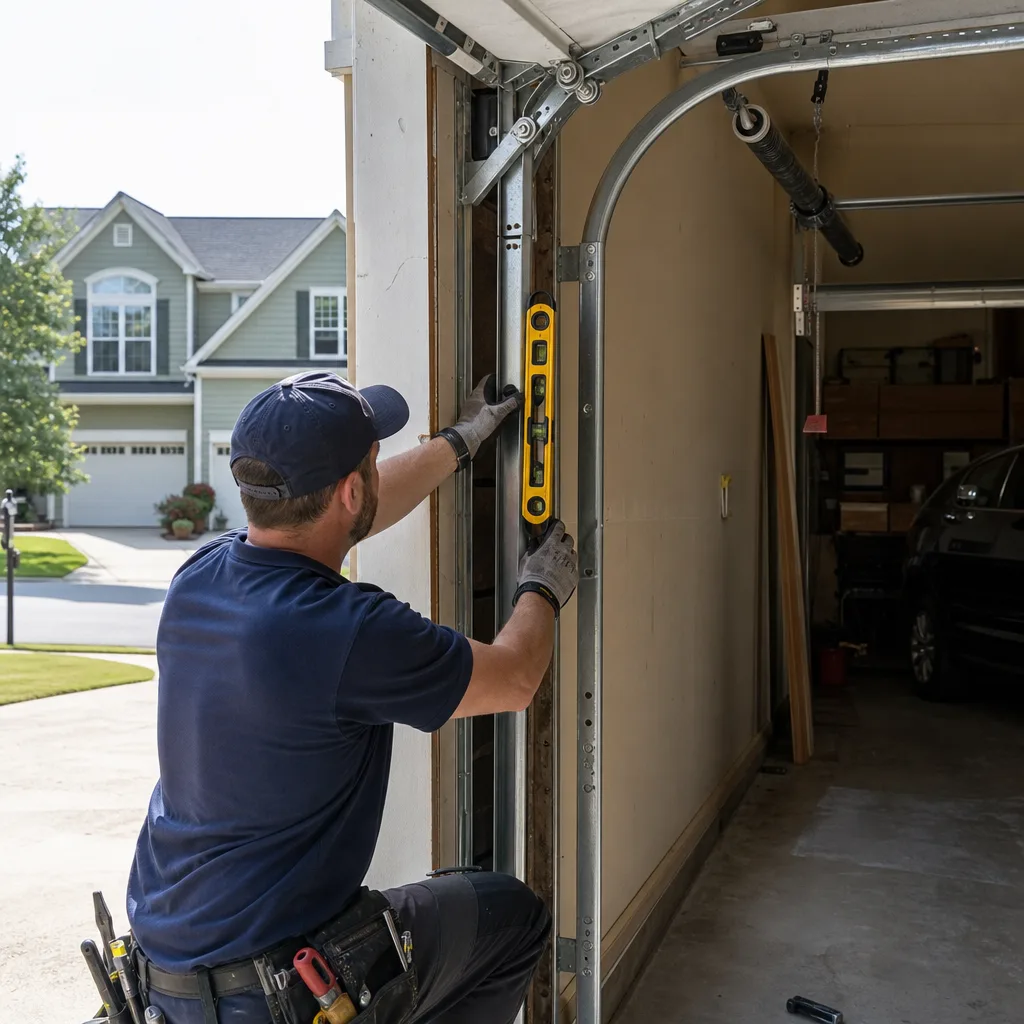
One thing inspectors in Buford specifically watch for is the door’s side clearance. Georgia’s adoption of the IRC means the door must have adequate side bearing and track clearance as specified by the manufacturer and the code. On altered openings, particularly when a single door is widened into a double, the side clearance sometimes gets borrowed from the wall and the result fails inspection. That is a legitimate failure, not a picky inspector. The clearance matters for wind resistance and track longevity.
If you’re replacing a door without a permit, which is the typical case in Buford, there is no county inspection. That makes the installer’s own documentation more important, not less. The photo record we provide on every garage door repair in Buford and installation exists because no one else is going to verify the work. The homeowner deserves evidence of what was installed, what was removed, and how it was done. The county won’t provide it when no permit is pulled.
Common Mistakes to Avoid
- Trusting a contractor who says “you don’t need a permit” without knowing the scope. Replacement and alteration look similar to an untrained eye. If the opening changes shape, a permit is almost certainly required, and the contractor’s word does not transfer liability to them when the sale stalls three years later.
- Treating HOA approval and county permitting as interchangeable. They are not. The HOA cares about appearance; the county cares about structure. Both approvals, short of the other, are incomplete.
- Pulling a homeowner permit and then handing the work to an unlicensed crew. You hold the permit, so you hold the liability. If the crew botches the header and the house settles, the county has no one but you to cite.
- Ordering a garage door online without verifying the wind load rating for Buford. Out-of-state retailers sometimes ship doors specked for lower wind zones. The savings disappear the first time a March squall line bows the door out of its tracks.
- Assuming a door-for-door replacement always avoids code requirements. Even unpermitted replacements must meet current code for wind load if the door is being sold or installed in Georgia. A cheap door with no rating label violates the code, even though no permit is required to install it.
- Waiting until a home sale to disclose or remediate unpermitted work. Retroactive permitting under a closing deadline is the most expensive way to fix it. If you suspect unpermitted work, resolve it before you list.
When to Call a Professional
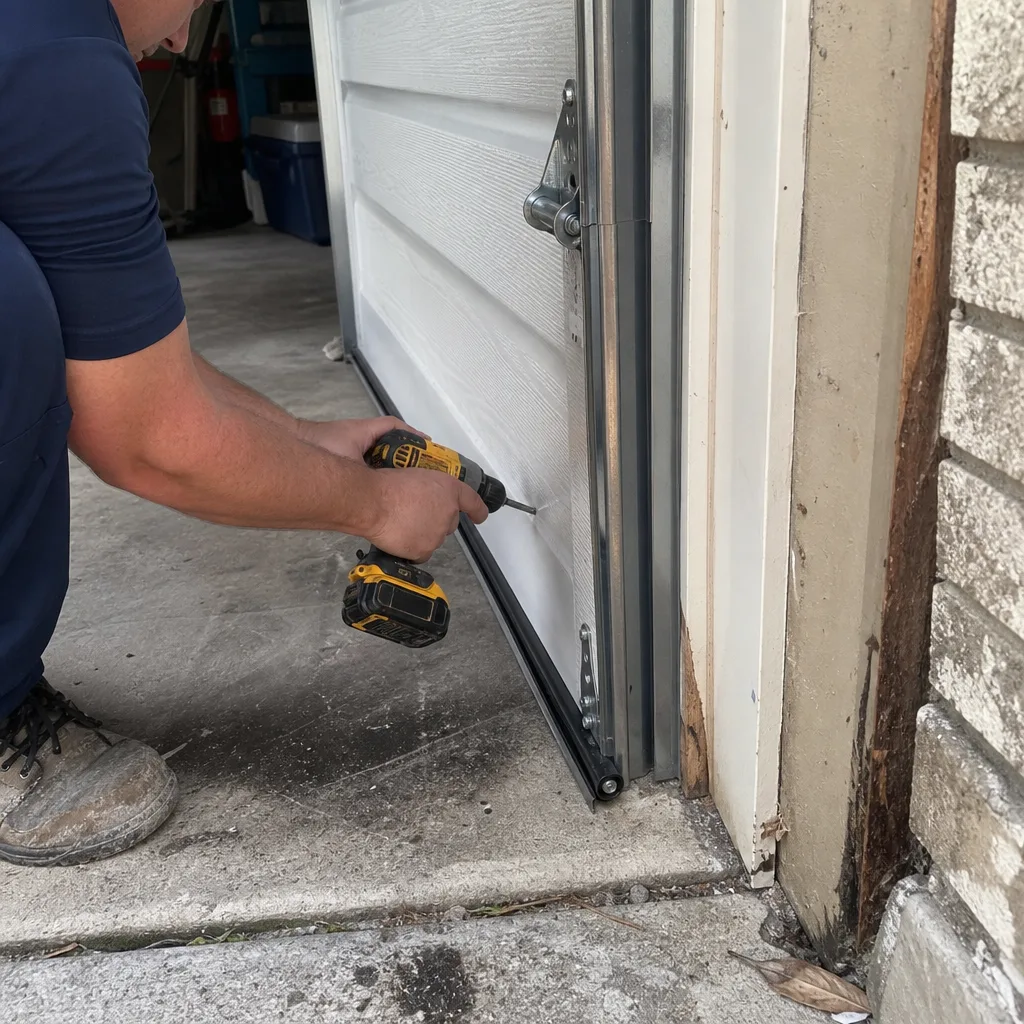
Garage door replacement in an identical opening is a job a skilled homeowner can handle, though torsion spring work carries enough stored energy that we recommend training before touching it. Anything beyond the identical-opening replacement calls for a professional. If the opening is being widened, if the header is being touched, if a new opening is being cut, or if the work requires engineering drawings, hire a licensed contractor who will pull the permit under their own license and stand behind the inspection. The same applies if you’ve discovered unpermitted work and need it assessed or retroactively permitted. Servo Garage Doors Buford offers free estimates in Buford, and every quote includes a written scope and a written price before any work starts. Call (470) 458-9647 to schedule. If the scope requires a permit, the permit path and responsible party are documented in the written scope, not implied by a handshake.
Frequently Asked Questions
No, not if the replacement fits in the existing opening without modifying the opening’s width, height, or structural framing. A door-for-door swap in Buford is a maintenance replacement under Gwinnett County’s permit requirements. If you change any dimension of the opening, a permit is required. Call (470) 458-9647 if you’re not sure which category your job falls into; we’ll tell you straight, and the assessment is free.
The seller is responsible for bringing the work into compliance, typically by hiring a licensed contractor to file a retroactive permit and pass inspection. This can cost $1,500 to $6,000 in Buford depending on the scope of the remediation and whether the header must be exposed or replaced. It also delays closing because the permit process takes weeks. We’ve helped Buford sellers resolve this exact situation, and the best time to start is before the house is listed.
Yes, for your own primary residence. Georgia law allows homeowners to permit their own improvements without a contractor’s license, and Gwinnett County honors this exemption. However, pulling the permit makes you the responsible party for code compliance, and if a contractor works under your permit, their insurance position changes. For structural work, the cleaner path is a licensed contractor pulling the permit under their own license.
If your community has an HOA with architectural covenants, you typically need written approval before changing the door, even for a same-size replacement. Many Buford HOAs restrict door colors, materials, and sometimes manufacturers. HOA approval is separate from any county permit. Check your covenants first; a violation letter requiring you to remove and replace a non-conforming door is an expensive and avoidable outcome.
Buford sits in a wind zone with a design wind speed of 115 mph under the Georgia State Amendments to the IRC. The garage door should carry a manufacturer’s wind load label confirming it meets that rating. Most doors from major manufacturers like Clopay, Amarr, and Wayne Dalton are available in the correct configuration for this area, but doors ordered from out-of-state retailers sometimes are not. A door that fails the wind load requirement will deflect under storm pressure and can pull out of its tracks.
The permit fee itself is typically under $200 for a residential garage door alteration, but engineering drawings for header modifications add several hundred dollars in most cases. The bigger cost is time: plan on two to three weeks for permit processing and scheduling in Gwinnett County. For a door-for-door replacement, no permit is needed and no fee applies. Call (470) 458-9647 for a written estimate that includes the permit path and cost if your job requires one.
The Bottom Line
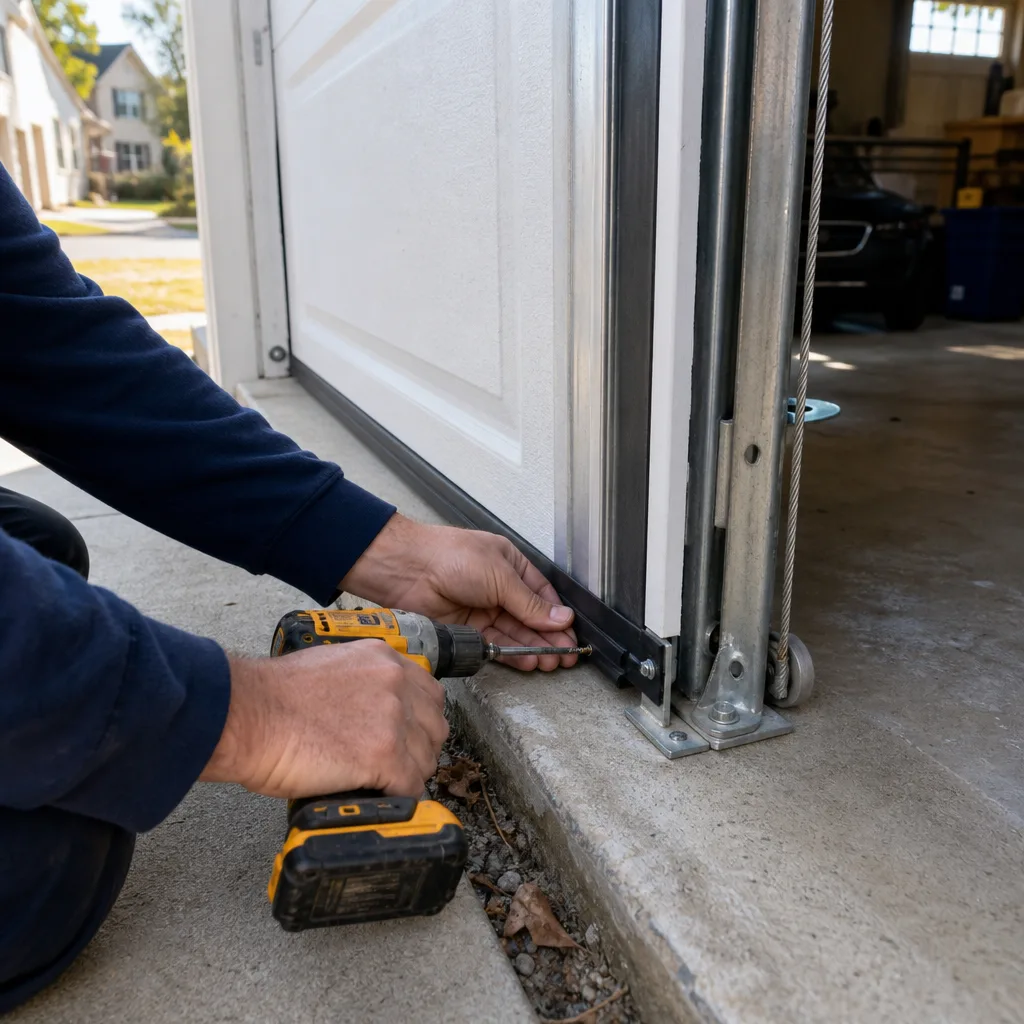
The permit line in Georgia comes down to one question: does the work alter the structure, or does it maintain it? Same-opening replacement is maintenance, no permit required. Anything that changes the opening size or touches the header is structural work, permitted and inspected, end of story. Add the wind load requirement for Buford’s climate zone and the HOA approval track where applicable, and the rules are clear even when contractors muddy them. The homeowners who get this right are the ones who ask the opening-size question at the start. That one question predicts the permit, the timeline, and the cost better than anything else. If you’re in Buford and want a written answer for your specific garage door, Servo Garage Doors Buford will give you a direct one, along with a written price before any work starts. Call (470) 458-9647 or read more about Garage Door Opener Repair & Installation in Buford.
Written by Marcus Deller, Owner at Servo Garage Doors Buford, serving Buford since 2015.